

Behind the Derby Boot
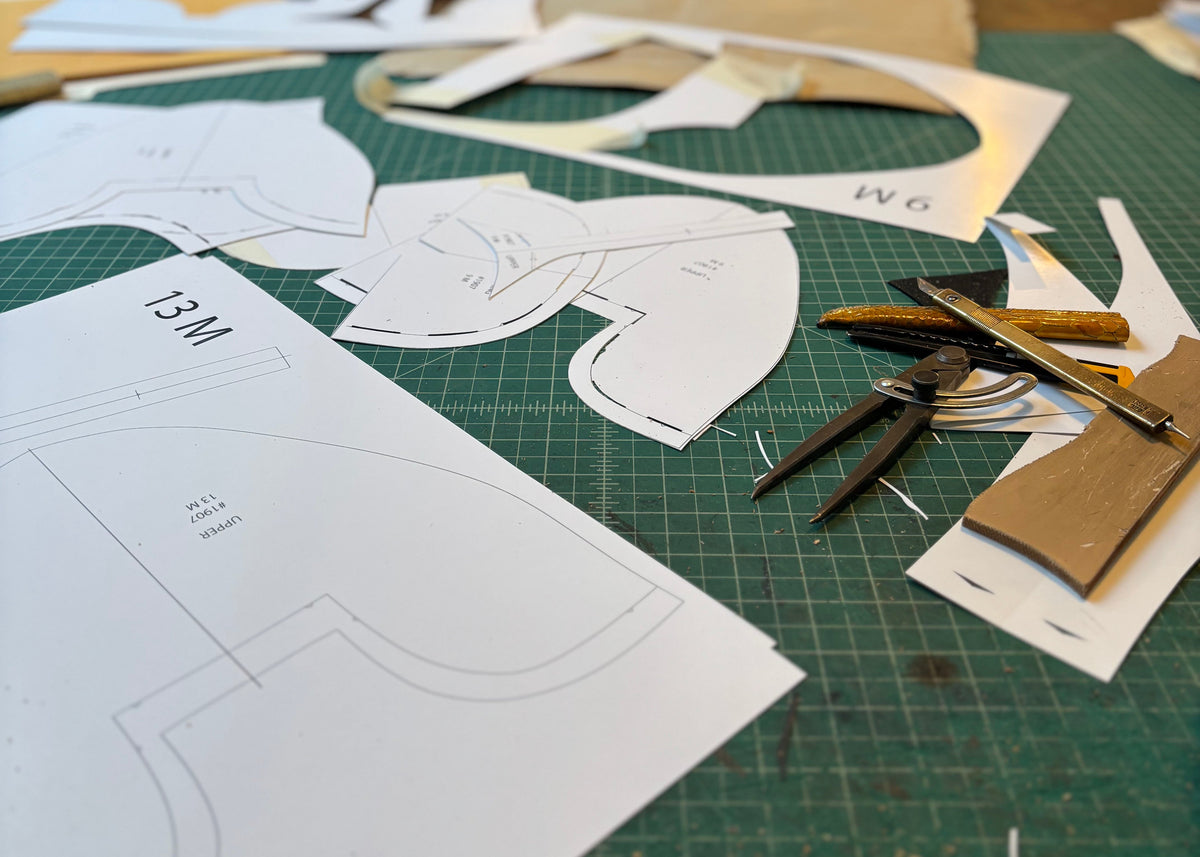
The Blueprint
Before the leather is even cut, the boot has to work on paper.
In December, we went back to the pattern rack. We started with a Love Jules Leather classic – a silhouette some of you have lived in for years – and began the process of stripping it down.

The goal wasn't to reinvent the Derby, but to revive and refine it for what Archive is today. It’s been a season of iterations: adjusting the sweep of the quarter, the curvature of the counter. It’s a game of millimetres. We’re looking for that specific balance where the lines feel aggressive and substantial, but refined enough to earn a permanent place in your rotation.
The Internals
A boot is only as good as what you can’t see. When we moved from pattern to first sample, the focus shifted to the bones.
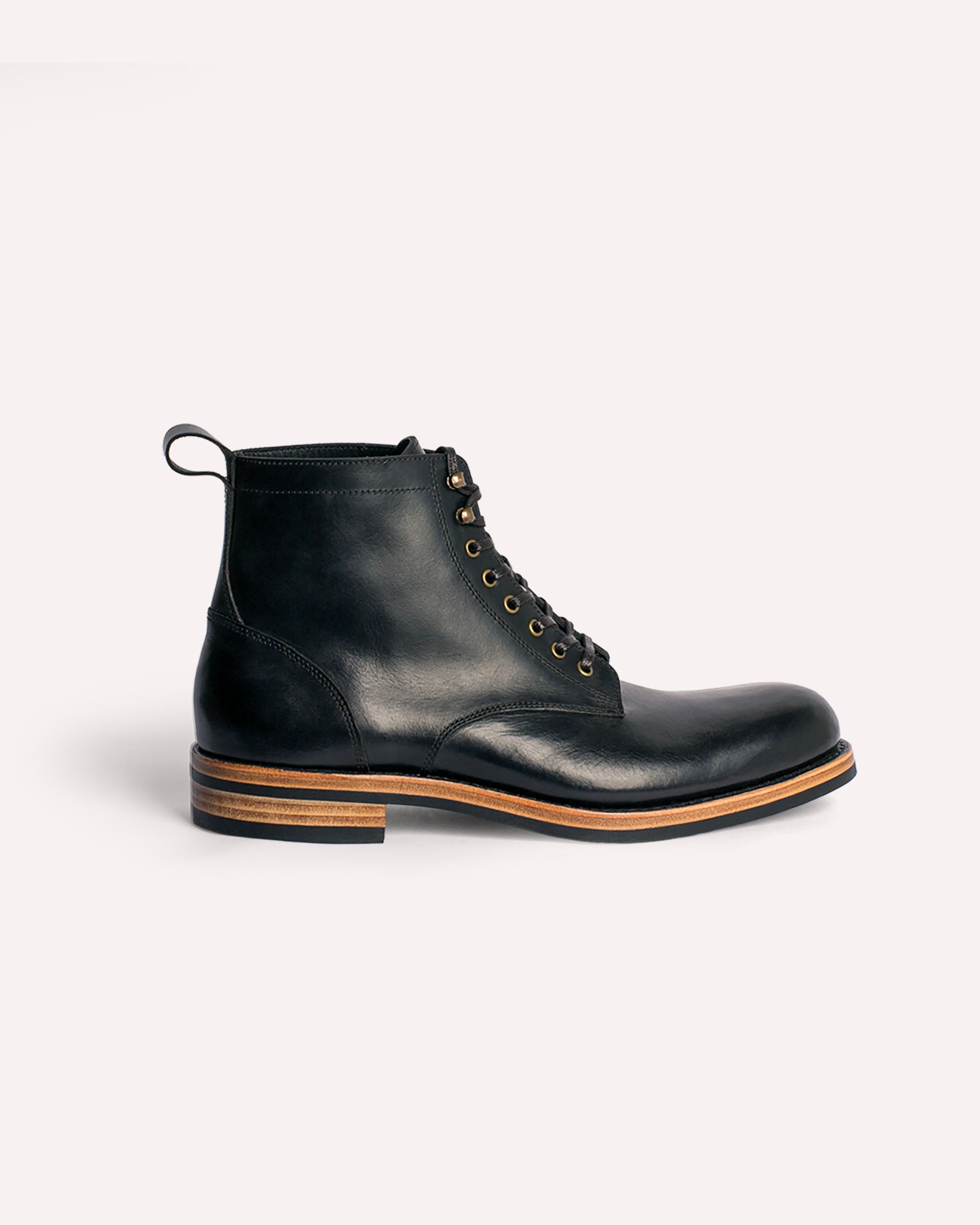
 We don't use plastic or foam fillers, the kind of shortcuts that collapse after a year of real use. Instead, we rely on thick leather midsoles and solid brass hardware that won’t snap under tension. The double-row stitching isn’t for decoration; it’s there because it works.
It’s about building a piece of equipment that is uncompromising in quality, and built to stay out of a landfill.
The Silhouette
The silhouette of our Derby is defined by its foundation. We’re building on the same lasts that shaped Love Jules Leather classics. Proven blueprints for how a boot should behave.
 We reinforce the toe and heel with natural leather, refusing the plastic inserts that eventually collapse and fail. This is structural integrity you can feel. It ensures the boot never loses its profile, regardless of the mileage.
The heel stack is built layer-by-layer with natural leather and capped with durable Vibram rubber. It gives the boot a grounded, purposeful stance that cheaper components can't replicate.
The Final Miles
The journey from a January pattern test to the final soles has been slow by design. In March, we moved from the first sample into the wear-test phase, putting these boots through their paces on Canadian concrete to ensure the bond is permanent and the break-in is honest.
 We talk about the past only to move forward. We’ve taken the technical lessons learned over years of bootmaking and focused them into this single, uncompromising run.
Production is moving to the bench now in partnership with Peter Feeney Footwear. It will be a few months before they leave the workshop, and start their own story with you.
Read more
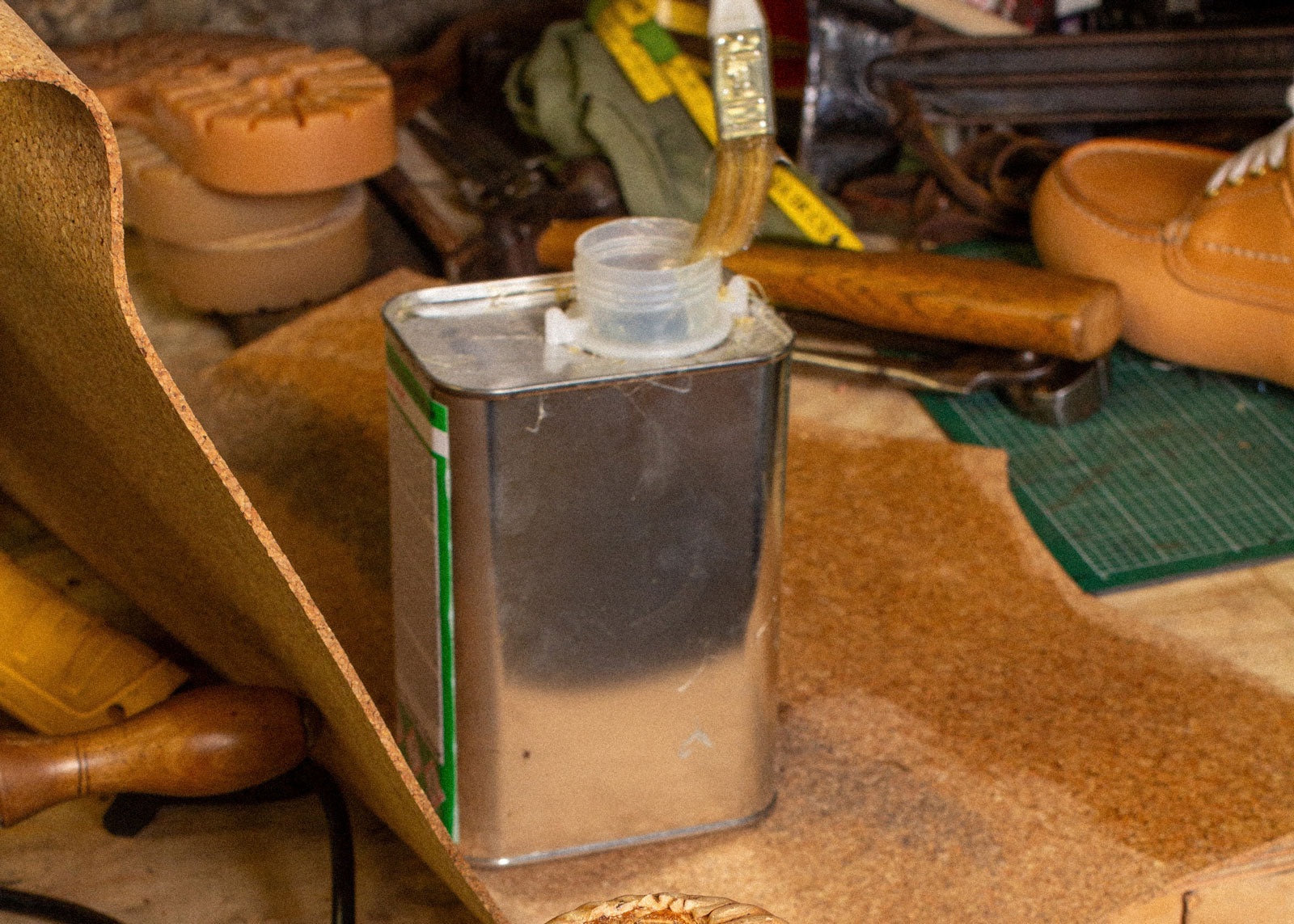
Building a domestic supply chain for leather goods is not a straightforward thing to do in Canada. The knowledge exists, but it doesn’t sit in one place.
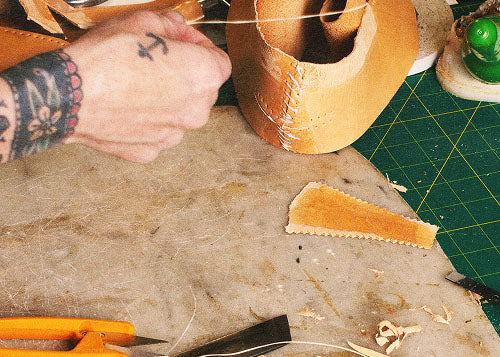
Jules Symons did not plan to become a bootmaker. She came to it the way a lot of the best things happen — sideways, through curiosity.